
3PL Compliance and Hazmat Handling
How a 3PL manages regulatory compliance and sensitive freight, and where responsibility actually sits.
For companies that ship regulated or hazardous freight, compliance is not a detail; it is the whole ballgame. A single mistake in classification, documentation, or carrier qualification can mean fines, delays, or a safety incident. Yet most 3PL logistics outsourcing content skips compliance entirely. This page treats it as the serious decision factor it is, covering how a 3PL manages compliance, who is responsible for what, and how a provider handles hazmat and other regulated freight.
The Regulatory Landscape
Outsourced logistics operates inside a web of regulation, and the relevant bodies depend on what you ship and how it moves:
- DOT (Department of Transportation). Sets the overarching rules for commercial freight movement.
- FMCSA (Federal Motor Carrier Safety Administration). Governs carrier safety, qualification, and operating authority.
- FSMA (Food Safety Modernization Act). Sets sanitary transportation requirements for food and beverage freight.
- EPA and PHMSA. Cover environmental and hazardous materials transportation rules.
A capable 3PL understands which of these apply to your freight and builds its processes around them, rather than leaving the shipper to police compliance after the fact.
Who Is Responsible for Compliance in a 3PL Relationship
This is the question that worries shippers most, and the honest answer is that responsibility is shared and should be clearly defined in the agreement. When you outsource to a 3PL, you do not hand off all liability, but a strong provider reduces your exposure substantially through how it operates, including 3PL transportation management and carrier procurement. The most important mechanism is carrier vetting: a 3PL that rigorously qualifies and monitors its carriers for safety ratings, operating authority, and insurance keeps non-compliant carriers away from your freight in the first place.
Ready 2 Xecute’s carrier onboarding and vetting standards are a core part of how it manages compliance risk on behalf of shippers. The provider’s diligence becomes your risk reduction. That said, the division of responsibility should always be spelled out clearly so both sides know who owns what, including DOT compliance and audit readiness.
Hazmat Handling
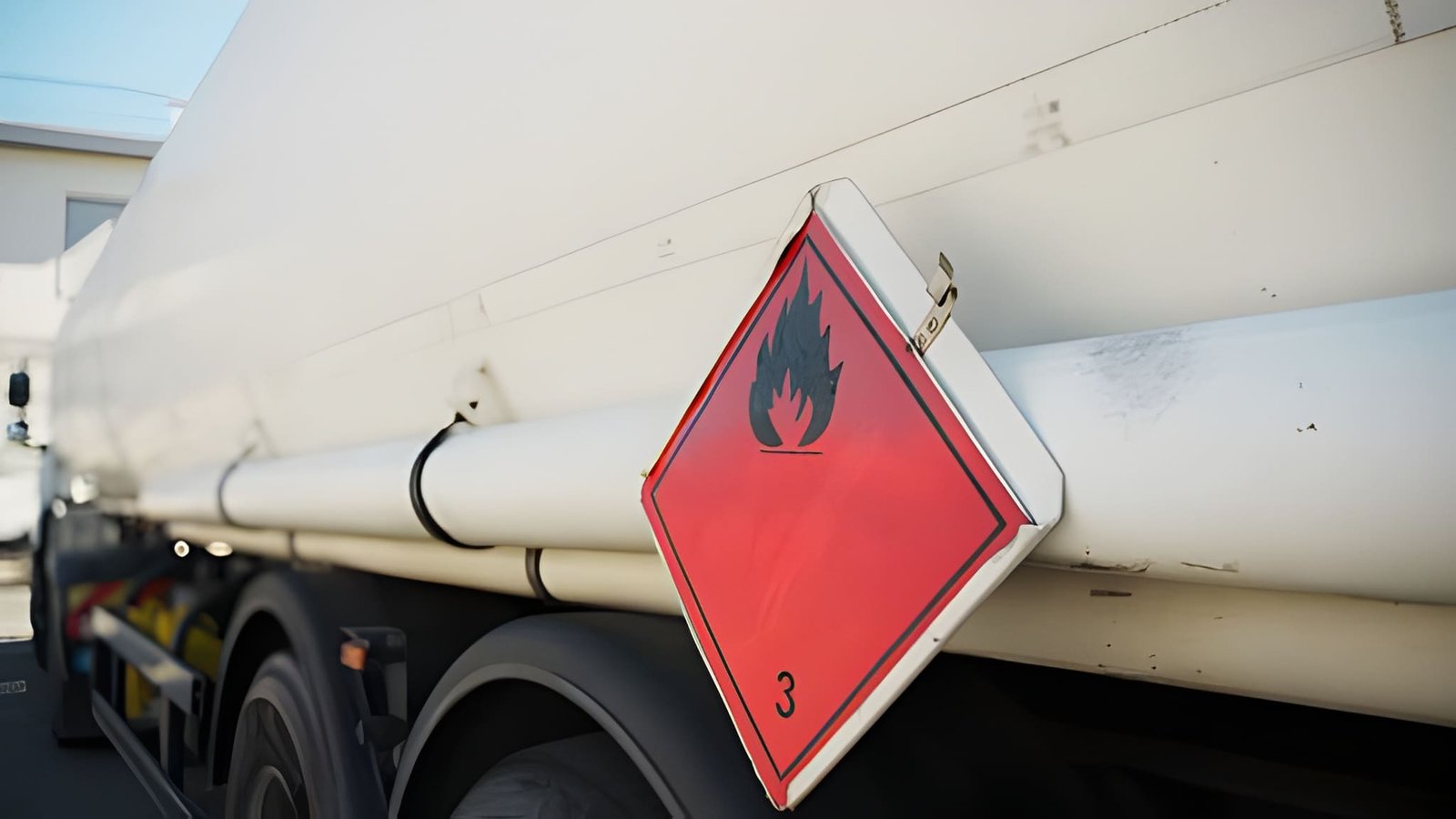
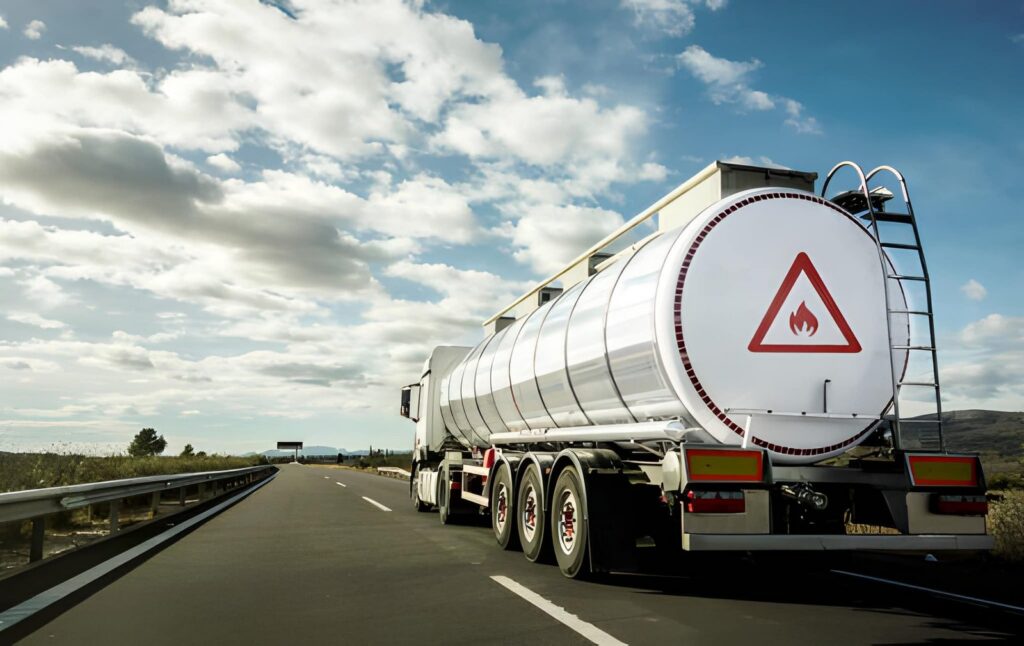
Hazardous materials freight carries the highest compliance stakes and is where many providers fall short. Managing hazmat properly involves several distinct requirements:
- Correctly identifying the hazard class and packing group, which determines everything downstream.
- Accurate shipping papers, including the proper shipping name, UN numbers, and emergency information.
- Carrier certification. Ensuring carriers are qualified and authorized to transport the specific hazmat class.
- Meeting the required packaging and labeling standards for the material.
- Emergency response. Having the planning and information in place in case of an incident.
A 3PL that handles hazmat competently manages all of these as a matter of routine. Because so much 3PL content ignores compliance and hazmat entirely, a provider with genuine expertise here stands out clearly.
Industry-Specific Compliance
Different regulated industries carry their own requirements. Chemicals demand strict hazmat handling and documentation. Pharmaceuticals often require cold-chain integrity and chain-of-custody controls. Food and beverage falls under FSMA sanitary transportation rules. Each of these adds a layer of compliance that the provider must understand and build into its process. When evaluating a 3PL for regulated freight, confirm they have real experience with your specific industry’s requirements, not just general logistics competence.
Frequently Asked Questions
How does a 3PL handle hazmat shipping?
A 3PL manages hazmat through correct classification, accurate documentation, qualified and certified carriers, proper packaging and labeling, and emergency response planning. Each step is regulated, and a provider with genuine hazmat expertise handles all of them as routine. Because many providers avoid hazmat, real expertise here is a meaningful differentiator.
Who is responsible for compliance when using a 3PL?
Responsibility is shared and should be clearly defined in the agreement. Outsourcing to a 3PL does not transfer all liability, but a strong provider reduces your exposure substantially, most importantly through rigorous carrier vetting that keeps non-compliant carriers away from your freight. Spelling out the division of responsibility up front is essential.
What regulatory requirements apply to outsourced logistics?
Depending on your freight, DOT and FMCSA rules govern movement and carrier safety, FSMA covers food transportation, and EPA and PHMSA rules apply to environmental and hazardous materials. A capable 3PL knows which apply to your shipments and builds compliance into its processes rather than leaving it to the shipper.