
3PL Transportation Management

How a third-party logistics provider sources carriers, optimizes modes, and manages freight on your behalf.
Transportation is where logistics gets complicated fast. Multiple carriers, multiple modes, fluctuating rates, lanes that perform differently week to week, and the constant pressure to move freight reliably without overpaying. Transportation management inside a 3PL relationship exists to absorb that complexity. For a shipper, it means handing the work of procuring, coordinating, and optimizing freight to a partner who does it at scale every day.
This page explains what transportation management looks like inside comprehensive 3PL services, how a provider handles carrier procurement and technology, how mode selection works, and where managed transportation fits relative to a full 3PL engagement. Transportation is the core of Ready 2 Xecute’s operational expertise, so this is the area where the depth of a provider matters most.
What Transportation Management Means Inside a 3PL
Transportation management is the end-to-end coordination of freight: deciding how each shipment should move, securing the capacity to move it, executing the shipment, tracking it, and handling any issues along the way. Inside a 3PL relationship, the provider takes on this work using its carrier network, its technology, and its market knowledge, so the shipper does not have to build and maintain those capabilities internally.
The scope typically covers carrier procurement and rate negotiation, mode selection, load optimization, tracking and visibility, and claims management when something goes wrong. The value is not just execution; it is the leverage and expertise a provider brings from managing freight across many shippers and lanes at once.
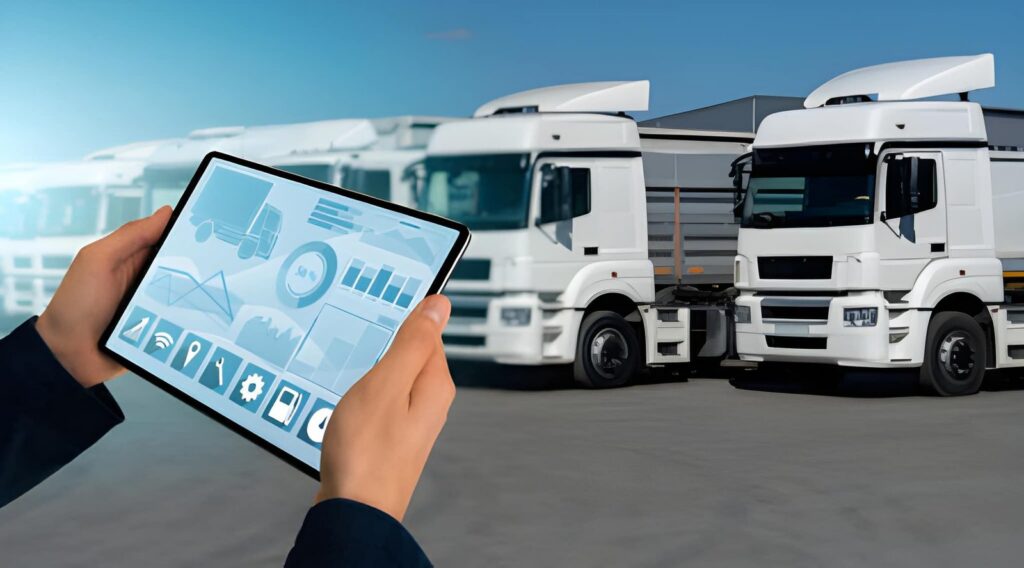
Carrier Procurement and Management
A 3PL sources, vets, and manages carriers so the shipper does not have to. That means maintaining a network of qualified carriers, negotiating rates against real market leverage, and continuously monitoring carrier performance and compliance. The quality of a provider’s carrier network and the rigor of its vetting process directly determine the reliability of your freight.
Ready 2 Xecute applies an established carrier onboarding and vetting process before any carrier moves a load, which reduces the risk of service failures and compliance problems downstream. The strength of that network is what allows a 3PL to find capacity quickly, even in tight markets.
TMS and Technology
A transportation management system is the connective tissue between shipper, provider, and carrier. It handles load planning, carrier selection, real-time tracking, and reporting, and it gives the shipper visibility into freight without manual check-ins. One of the most common questions shippers have is whether they keep their existing TMS or adopt the provider’s platform. A good 3PL can work either way: integrating with your current system or providing its own, depending on what serves the relationship best.
What matters is that the technology produces supply chain visibility and tracking technology with clean data, so you can see where freight is, understand what it costs, and spot problems before they become expensive.
Mode Optimization
Not every shipment should move the same way. A core part of transportation management is selecting the right mode for each load based on cost, speed, and service requirements:
- Full truckload (FTL). Best for large shipments that fill a trailer, offering the most direct route and fastest transit.
- Less-than-truckload (LTL). For smaller shipments that share trailer space, balancing cost against transit time.
- Combining rail and truck for long-haul freight where cost savings outweigh added transit time.
- For small packages, especially in e-commerce, where carrier selection and zone optimization drive cost.
A 3PL evaluates these options shipment by shipment, optimizing the balance of cost and service rather than defaulting to a single mode. Over many shipments, that optimization, supported by dedicated carrier partnerships on consistent lanes, adds up to meaningful savings.
Managed Transportation vs Full 3PL
Not every company wants to outsource its entire logistics operation. Some want transportation managed by a specialist while keeping warehousing or other functions in-house. This is often called managed transportation, and it is a distinct offering within the broader 3PL spectrum. A shipper might engage a provider purely for freight management, rate negotiation, and carrier coordination, without warehousing or fulfillment.
Understanding where managed transportation ends and full 3PL begins helps you scope the relationship to what you actually need. Ready 2 Xecute can manage transportation as a standalone service or as one part of a complete 3PL engagement that includes warehousing, fulfillment, and logistics compliance and hazmat handling, depending on how much of the operation you want to outsource.
Frequently Asked Questions
What is managed transportation?
Managed transportation is a service where a 3PL handles a company’s freight, including carrier procurement, rate negotiation, mode selection, tracking, and claims, without necessarily managing warehousing or fulfillment. It suits companies that want transportation run by a specialist while keeping other logistics functions in-house.
How do 3PLs select carriers?
A 3PL maintains a network of vetted carriers and selects among them based on lane coverage, capacity, service history, rate, and compliance standing. Strong providers apply formal onboarding and vetting before a carrier moves any freight, and they monitor performance continuously to keep the network reliable.
Do I keep my own TMS or use the 3PL's?
Either is possible. A capable 3PL can integrate with your existing transportation management system or provide its own platform. The right choice depends on what gives you the cleanest visibility and the least operational friction in the relationship.