
Understanding CSA Scores and Freight Compliance
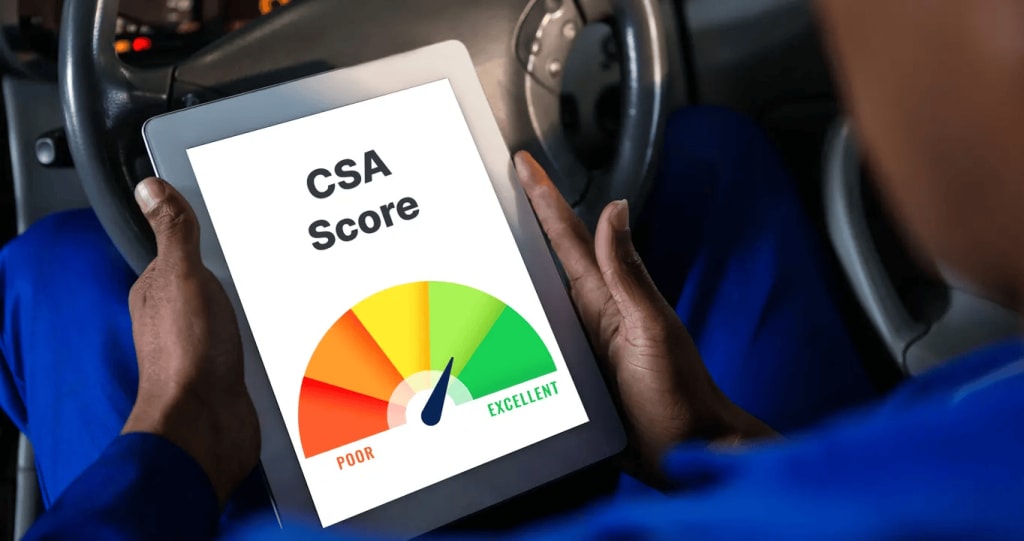
The FMCSA’s Compliance, Safety, Accountability (CSA) program is the primary public-facing measure of carrier safety performance in the United States. For carriers, CSA scores affect insurance premiums, shipper acceptance, and the risk of regulatory intervention. For shippers and brokers, CSA scores are a key input in carrier vetting decisions. Understanding how the system works — how scores are calculated, what they measure, and how to interpret them — is fundamental to effective freight compliance management.
What Is the CSA Program?
Implemented by the FMCSA in 2010, the CSA program was designed to identify carriers with safety performance issues before accidents occur, rather than simply responding to accidents after the fact. The system collects data from roadside inspections, crash reports, and investigation results, then uses that data to calculate scores that indicate relative safety risk across the carrier population. CSA scores are public — accessible through the FMCSA’s Safety Measurement System (SMS) — meaning shippers, brokers, and insurance companies can review a carrier’s performance profile before deciding to work with them.

The Seven BASIC Categories
Unsafe Driving
Measures violations related to dangerous driving behaviors — speeding, reckless driving, improper lane changes, and inattention. Violations in this category come primarily from roadside inspection observations and traffic citations that enter the inspection record.
Hours of Service Compliance
Tracks violations related to driver fatigue management — log falsification, ELD non-compliance, hours of service exceedances, and related violations. HOS violations are among the most frequently cited during DOT Blitz and EDI 990 Compliance initiatives and have been a consistent focus of CVSA enforcement efforts. This BASIC directly affects driver safety and is weighted heavily in the scoring model.Driver Fitness
Covers violations related to driver qualifications — operating with an invalid CDL, expired medical certificate, missing required endorsements, or disqualified driver status. Driver fitness violations indicate administrative and compliance management failures that affect service reliability as well as safety.
Controlled Substances and Alcohol
Tracks violations involving driver impairment — positive drug or alcohol tests, refusals to test, and operating under the influence violations. This BASIC carries severe consequences because the violations represent direct, serious safety risks. Violations in this category can trigger immediate investigation and operating authority consequences.
Vehicle Maintenance
Measures equipment-related violations — brake defects, tire violations, lighting failures, and other mechanical deficiencies. Vehicle maintenance is the category with the highest raw violation volume across the carrier population, because equipment condition is assessed on every Level I inspection. Carriers with elevated vehicle maintenance scores often have systematic equipment maintenance practices that need structural improvement.
Hazardous Materials Compliance
Tracks violations specific to carriers transporting hazardous materials — improper placarding, packaging violations, and shipping paper deficiencies. This BASIC only applies to carriers who haul hazmat, but violations carry elevated weight because of the public safety consequences of hazardous materials incidents.
Crash Indicator
Reflects the carrier’s crash history — frequency and severity of reportable crashes. This BASIC is calculated differently because crash data doesn’t always indicate fault — a carrier can have elevated crash indicator scores from incidents where their driver was not at fault. The FMCSA excludes crashes where law enforcement determined the carrier was not at fault, but not all crash records have fault determination.
How Scores Are Calculated
Within each BASIC, violations are assigned severity weights (1–10) based on their safety risk significance. More recent violations receive higher time weights — violations in the past six months count more heavily than violations from two years ago. The total weighted score is then compared to peer carriers to generate a percentile score. Percentile scores above defined thresholds (65–75% depending on the BASIC) trigger a warning designation and may initiate FMCSA investigation. Percentile scores are updated monthly as new inspection data is processed.

What Happens When Scores Are Too High
Elevated CSA scores trigger consequences along a spectrum. Initial consequences are commercial — shippers and brokers who screen carriers for CSA score thresholds may decline to work with carriers above their standards. Insurance consequences follow, with underwriters increasing premiums or limiting coverage for carriers with poor safety performance. Regulatory consequences escalate with score severity, potentially resulting in safety rating downgrades with direct consequences for operating authority.
How to Improve CSA Scores
CSA scores can be improved through three mechanisms: preventing new violations, challenging incorrect violations through the DataQs system, and allowing older violations to age out of the 24-month scoring window. Violation prevention is the most sustainable approach — addressing the root causes of violations through driver training, equipment maintenance programs, and operational compliance culture. Carriers that follow a structured preparation strategy like How to Prepare Your Fleet for DOT Blitz Week are often better positioned to reduce inspection-related violations. The DataQs system allows carriers to challenge violations recorded in error, and successful challenges remove violations from the scoring record directly.
CSA Scores in Carrier Vetting
For shippers and brokers conducting carrier vetting, CSA scores provide objective, third-party performance data that supplements documentation review. Combining compliance monitoring with efficient communication workflows such as the EDI 990 Load Tender Response Guide helps improve carrier coordination and freight visibility. Carriers with elevated scores in Unsafe Driving, HOS Compliance, or Vehicle Maintenance represent elevated service and liability risk. Establishing CSA score thresholds in carrier qualification criteria — and monitoring enrolled carriers for score changes through ongoing compliance monitoring — provides a systematic safety screen that protects freight operations from carriers whose performance has deteriorated since initial onboarding.