
Food & Beverage Logistics
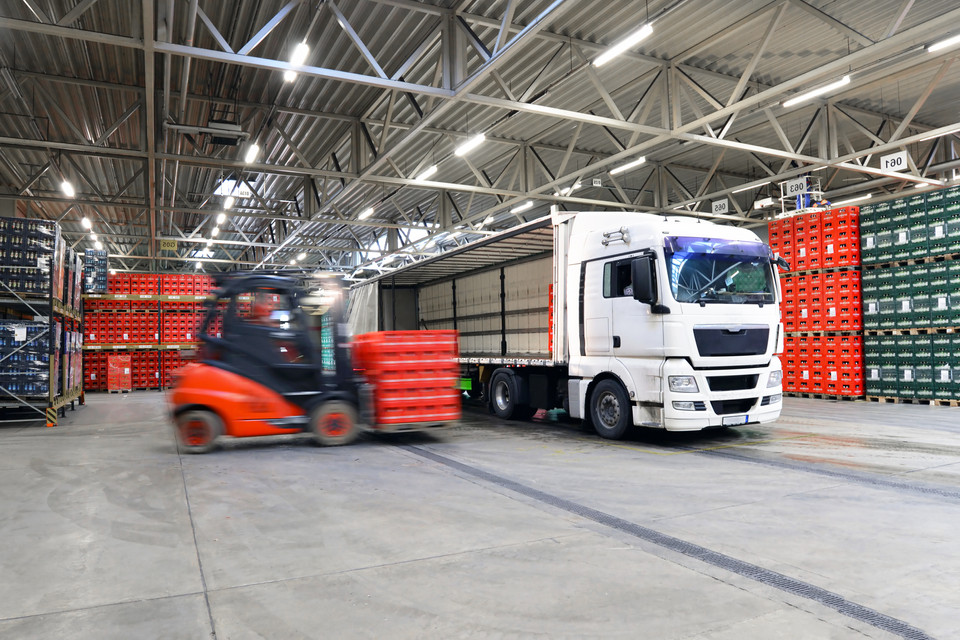
Food and beverage transportation across dry, refrigerated, frozen, and bulk liquid modes. FSMA-aligned carrier network, food-grade equipment, and dedicated capacity for CPG, beverage, and retail shippers.
Food and beverage logistics is the supply chain category that ties together dry freight, temperature-controlled freight, and bulk liquid freight whenever the cargo is food or beverage. A single food and beverage shipper may need shelf-stable freight for packaged products, refrigerated freight for chilled goods, frozen freight for frozen products, and bulk liquid freight for ingredients, all under the same food-grade discipline and FSMA-aligned documentation. The logistics is broader than any single mode.
Ready 2 Xecute (R2X) arranges food and beverage logistics as a multimodal program.
Whether you ship dry van loads of packaged beverages, refrigerated trailers of dairy, frozen capacity for prepared foods, or bulk tankers of beverage ingredients, R2X sources pre-vetted carriers across all modes, with food-grade handling, FSMA compliance, and documentation discipline consistent across the program.
Food and Beverage Logistics Overview
Food and beverage logistics covers the planning and execution of freight movements for food and beverage shippers across the supply chain, from raw ingredients to finished retail products. Common stages and the freight types they require:
- Inbound ingredients: bulk liquid (tanker), bulk dry, and packaged ingredient freight from suppliers to manufacturers, often food-grade
- Manufacturing transfers: inter-plant movements of ingredients, work-in-process, and finished product, including temperature-sensitive transfers
- Outbound to distribution: refrigerated, frozen, and dry van freight from manufacturers to distribution centers
- Distribution to retail: less-than-truckload (LTL), full truckload (FTL), and dedicated capacity from distribution centers to retail customers
- Direct-to-store: dedicated routes and milk runs for high-frequency food and beverage delivery to retail
- Cross-border: food and beverage freight moving into Mexico and Canada within North American supply chains
Each stage has its own equipment, temperature, and documentation requirements. Food and beverage logistics is the discipline of running the whole sequence under consistent food-grade handling rather than treating each leg as a separate freight buy.
Dry and Temperature-Controlled Options
R2X arranges food and beverage capacity across the modes that food and beverage shippers actually use.
Dry Van Food and Beverage Freight
Shelf-stable food products, packaged beverages, ingredients, and CPG freight that does not require temperature control. R2X sources dry van carriers vetted for food and beverage freight standards, used for packaged beverage cases, canned goods, dry ingredients, shelf-stable packaged foods, and similar cargo.
Refrigerated Food and Beverage
Reefer truckload and refrigerated LTL for chilled food and beverage products including produce, dairy, fresh meat, packaged refrigerated food, and refrigerated beverages. Pre-conditioned equipment, real-time monitoring through carrier telematics, and FSMA-aligned handling. See our refrigerated trucking page for the equipment and procedure details.
Frozen Food and Beverage
Frozen capacity at 0 degrees F and below for frozen food and frozen beverage products including frozen prepared foods, ice cream, frozen meat, and other deep-frozen cargo. Deep frozen capacity (below -20 degrees F) is available for specialty cargo. See our frozen and perishable transport page for cold chain integrity procedures.
Bulk Liquid (Tanker) for Food and Beverage
Stainless steel food-grade tanker capacity for liquid food and beverage commodities including juices, syrups, edible oils, dairy, wine, chocolate, and beverage concentrates. SQF-certified cleaning, validated wash tickets, and dedicated equipment options. See our food-grade liquid transport page for tanker-specific details.
Multi-Mode Coordination
Food and beverage shippers often need multi-mode coverage in the same program. R2X coordinates dry van, refrigerated, frozen, and tanker capacity across the same shipper’s freight portfolio so the food-grade discipline and FSMA documentation chain remain consistent across modes.
Food-Grade Equipment and FSMA Compliance
Every R2X food and beverage logistics program runs on food-grade equipment standards and FSMA-aligned procedures regardless of mode:
- Equipment maintained to food-safe standards with documented cleaning between loads where required
- FSMA Sanitary Transportation Rule alignment across shipper, carrier, and receiver documentation
- HACCP-based safety protocols on food-grade liquid freight
- Temperature controls matched to the commodity, with continuous monitoring on refrigerated and frozen freight
- Prevention of contamination and cross-contact between food and non-food cargo
- Audit-ready documentation including temperature logs, validated wash tickets, and chain-of-custody records
For shippers requiring the highest level of food safety discipline (kosher programs, allergen-restricted products, organic certification chains), additional protocols are layered on top of standard food-grade handling. Specific certification and protocol requirements are discussed during the quote process.
Industries We Serve
Food and beverage logistics at R2X supports shippers across the food and beverage supply chain.
CPG (Consumer Packaged Goods)
Manufacturers and brand owners of packaged food and beverage products moving from production to distribution to retail. CPG freight covers dry, refrigerated, and frozen cargo, often across the same shipper’s portfolio.
Beverage
Beverage manufacturers and bottlers moving finished beverage cases, syrups and concentrates (often via tanker), and packaging materials. Beverage freight has its own seasonality (summer volume spikes) and route patterns. R2X arranges both packaged beverage transport and bulk beverage ingredient capacity.
Retail and Foodservice Distribution
Distribution centers and foodservice operators moving food and beverage products from manufacturers and warehouses out to retail stores, restaurants, and institutional customers. High-frequency, time-sensitive freight with strict delivery windows.
Ingredient and Bulk Suppliers
Suppliers moving bulk ingredients (liquid and dry) into food and beverage manufacturers. Tanker freight, bulk dry freight, and packaged ingredient freight, often with allergen and certification considerations. R2X’s food-grade tanker network handles juices, syrups, edible oils, dairy, wine, chocolate, and concentrates.
Frozen and Refrigerated Specialists
Manufacturers and distributors whose entire freight portfolio runs on temperature-controlled capacity. Cold chain integrity, FSMA documentation, and consistent reefer capacity matter most for this segment.
Dedicated Capacity
For food and beverage shippers with consistent lanes, high volumes, or strict service requirements, R2X offers dedicated capacity programs. Dedicated partnerships include contracted capacity, lane-specific requirements, and performance metrics. Advantages over spot-market freight include:
- Consistent equipment: the same trailers, the same temperature controls, the same handling procedures load after load
- Consistent drivers: drivers who learn the lanes, the receiver requirements, and the specific commodities
- Predictable service: scheduled departures and arrivals that match production and retail timing
- Streamlined documentation: chain of custody documentation that runs more cleanly on dedicated capacity than rotating spot-market freight
- Reduced cross-contamination risk: dedicated equipment that carries the same commodity category (or compatible categories) reduces wash variability
Dedicated capacity programs are structured separately from spot-market freight, with longer commitments and tailored pricing. They suit shippers whose freight justifies the consistency.
Frequently Asked Questions
What is food and beverage logistics?
Food and beverage logistics is the supply chain category that covers transportation, warehousing, and distribution of food and beverage products. It spans dry, refrigerated, frozen, and bulk liquid freight, running under food-grade handling and FSMA-aligned compliance throughout. The discipline ties together modes that would otherwise be handled separately.
Do you ship both dry and refrigerated food and beverage?
Yes. R2X arranges food and beverage capacity across dry van, refrigerated, frozen, and bulk liquid (tanker) modes. Multi-mode coverage is part of how food and beverage logistics is structured: shippers with mixed portfolios can manage the full program through a single 3PL relationship.
What is beverage-grade transport?
Beverage-grade transport refers to the equipment and handling standards required for moving beverage products and beverage ingredients. For packaged beverages, it usually means food-grade dry van or refrigerated capacity. For bulk beverage ingredients (syrups, juice concentrates, beverage bases), it means sanitary tanker transport with validated wash tickets.
How do you ship food and beverages?
Through mode-appropriate freight (dry van for shelf-stable, refrigerated for chilled, frozen for frozen, tanker for bulk liquid) under food-grade equipment standards and FSMA-aligned procedures. Temperature controls are matched to the commodity, documentation runs end-to-end, and food safety discipline is consistent across modes.
Do you provide FSMA-compliant food and beverage logistics?
Yes. All food-grade carriers in R2X’s network comply with the FSMA Sanitary Transportation of Human and Animal Food rule, including equipment maintenance, temperature controls, contamination prevention, personnel training, and recordkeeping. Documentation is provided as part of the chain of custody on every load.
Do you offer dedicated capacity for food and beverage shippers?
Yes. Dedicated capacity programs suit shippers with consistent lanes, high volumes, and strict service requirements. Dedicated programs are structured with consistent equipment, consistent drivers, predictable schedules, and streamlined documentation. They are quoted differently from spot-market freight.
Get a Food and Beverage Logistics Quote
Tell us about your food and beverage freight portfolio: the modes you need (dry, refrigerated, frozen, tanker), the lanes, the volumes, the temperature and certification requirements, and any dedicated capacity needs. R2X will structure your food and beverage logistics across the modes your program actually requires.
Get A Quote
Call (855) 729-5521 or request a quote online.