
E-Commerce Fulfillment and 3PL
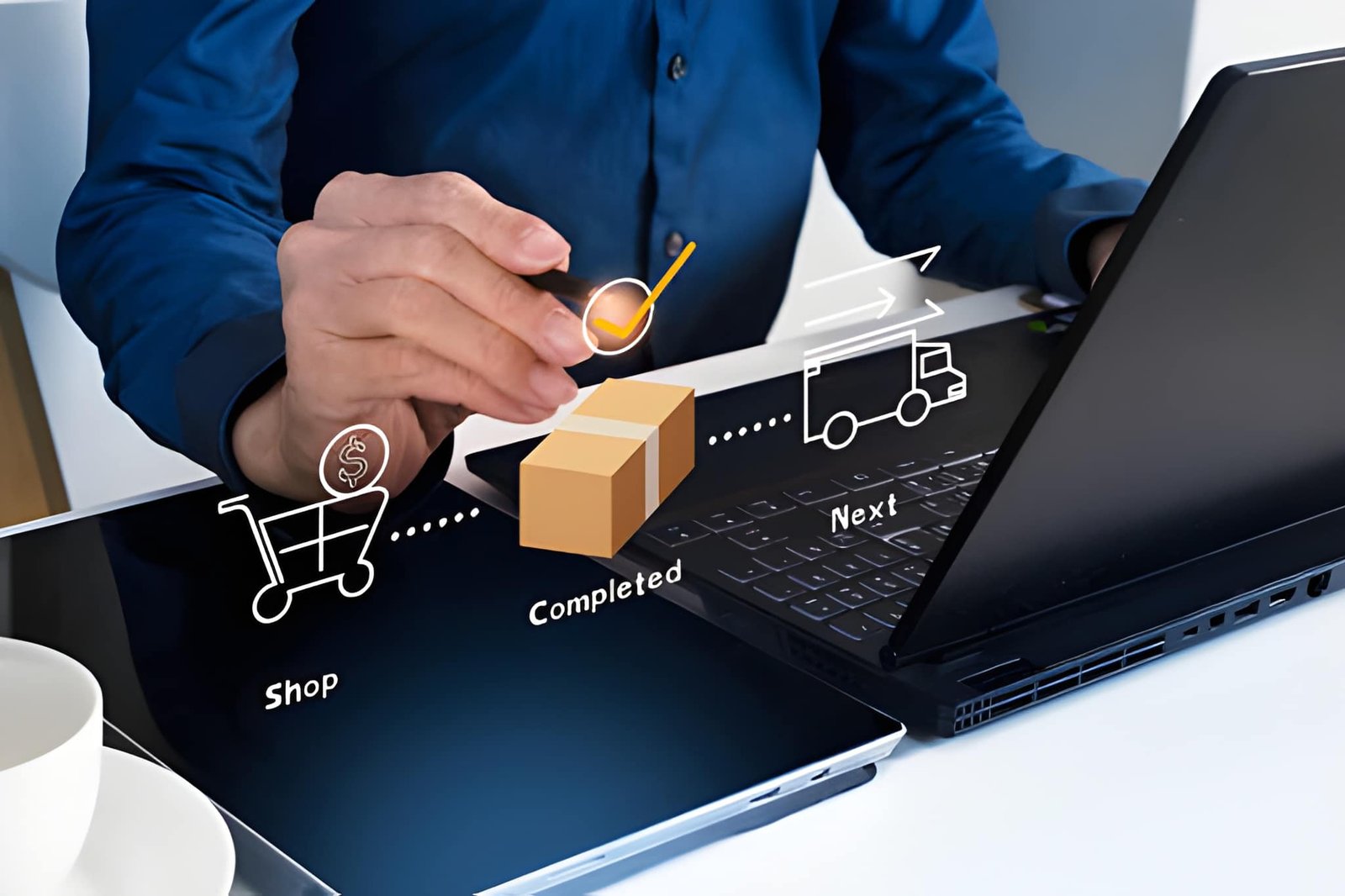
How outsourced fulfillment works for online brands, from the moment an order lands to the moment it arrives.
Every online brand reaches a point where fulfilling orders from a back room, a garage, or a single warehouse stops working. Order volume climbs, shipping promises get harder to keep, returns pile up, and the founder who used to pack boxes is now spending nights doing it instead of growing the business. 3PL logistics outsourcing is how most growing e-commerce brands break out of that bottleneck.
This guide walks through how 3PL fulfillment works for e-commerce, how a provider connects to your online store, how last-mile delivery and returns are handled, and what to look for in a fulfillment partner. If you run a direct-to-consumer brand or manage e-commerce operations, this is written for you.
Why E-Commerce Brands Outsource Fulfillment
E-commerce fulfillment is deceptively hard. It is not just storing products; it is receiving orders from one or more sales channels, picking and packing them accurately, choosing the right carrier for each shipment, getting them out the door fast enough to meet customer expectations, and processing the returns that inevitably come back. Doing all of that well, at growing volume, while keeping shipping costs under control, is a full operation in itself.
A 3PL that specializes in fulfillment already has the warehouse infrastructure, the technology, the carrier relationships, and the staff to run that operation at scale. Outsourcing lets a brand offer fast, reliable shipping without building a fulfillment operation from scratch, and frees the team to focus on product, marketing, and growth.
How E-Commerce Fulfillment Works
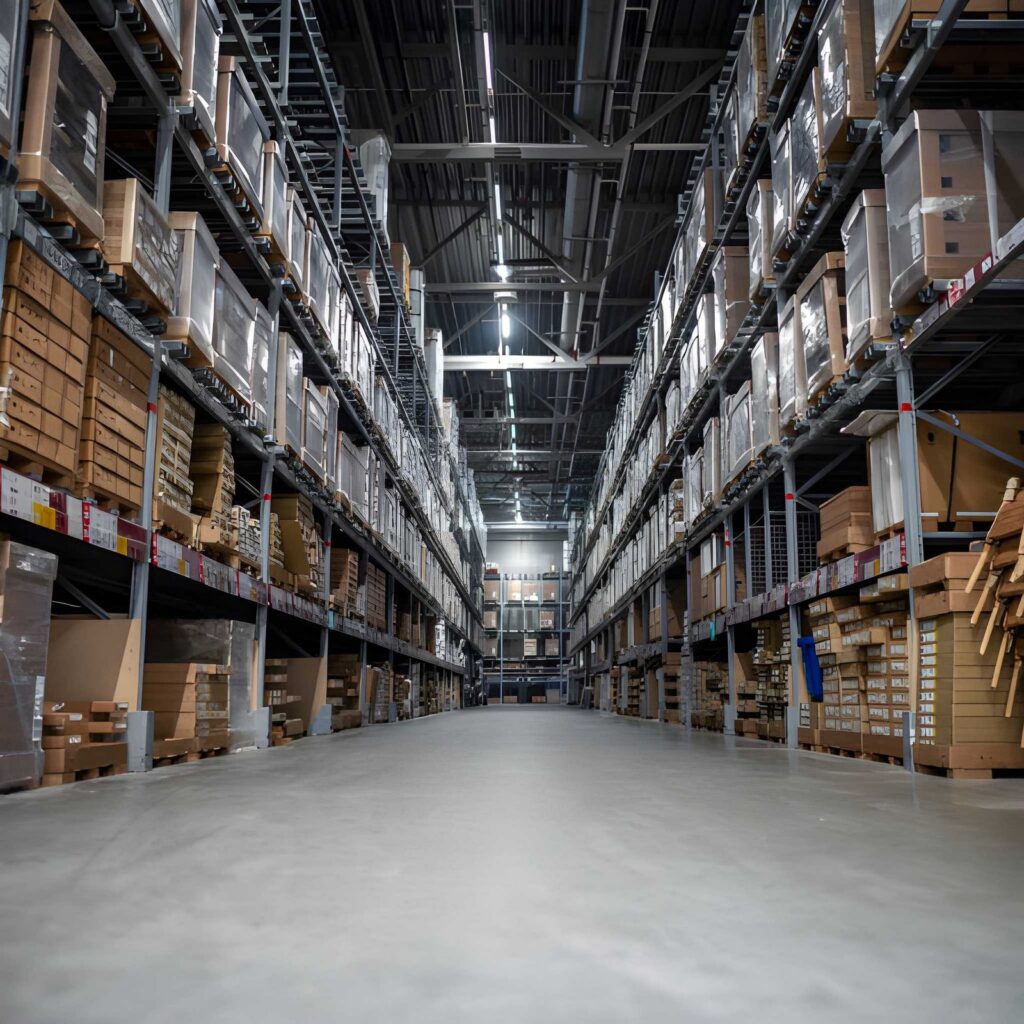
The fulfillment workflow runs as a continuous loop, triggered every time a customer places an order:
- Order received. The order flows automatically from your store into the 3PL’s system through a platform integration, with no manual entry.
- Inventory allocated. The system confirms stock and reserves the items for that order.
- Warehouse staff locate and pull the items, typically using scanning technology to ensure accuracy.
- Items are packed to protect them in transit and meet your brand’s presentation standards, including any custom packaging or inserts.
- The system selects the appropriate carrier and service level, generates the label, and the order goes out.
- Delivered and tracked. The customer receives tracking, and the order is monitored to delivery.
- Returns processed. When an item comes back, it is received, inspected, and restocked or dispositioned, with the outcome reported back to the brand.
Platform Integration
The integration between your online store and the 3PL is what makes the workflow automatic. A good fulfillment provider connects directly to the platforms e-commerce brands actually use, including Shopify, WooCommerce, and Amazon, so that orders route to the warehouse the moment they are placed and inventory counts sync back to your store in real time. This automation eliminates the manual order handoff that causes delays and errors, and it scales cleanly as volume grows. When evaluating a fulfillment partner, the quality and breadth of their platform integrations should be near the top of your checklist.
Last-Mile Delivery
The final leg of the journey, from the carrier’s local facility to the customer’s door, is where speed and cost are won or lost. A 3PL manages carrier selection across the parcel carriers, including USPS, UPS, FedEx, and regional carriers, choosing the option that balances delivery speed against cost for each shipment and destination. Smart zone and carrier optimization across many orders is one of the clearest ways outsourced fulfillment saves a brand money compared to managing parcel shipping alone.
Returns and Reverse Logistics
Returns are a fact of life in e-commerce, and how they are handled affects both cost and customer experience. A 3PL manages reverse logistics as a defined process: receiving the returned item, inspecting its condition, restocking it if it is sellable or dispositioning it if it is not, and reporting the outcome back to the brand. A clean returns process recovers inventory value quickly and gives customers the smooth experience that earns repeat purchases. For many brands, getting returns under control is one of the biggest operational reliefs of outsourcing fulfillment.
More Than a Fulfillment Warehouse
There is a meaningful difference between a fulfillment warehouse and a full-service 3PL. A fulfillment-only provider picks, packs, and ships. A full 3PL like Ready 2 Xecute handles fulfillment alongside 3PL warehousing and inventory management and transportation, which means your inventory storage, order fulfillment, and freight all sit under one operation with one source of accountability. As a brand grows into wholesale, retail, or multi-channel distribution, having fulfillment connected to broader logistics capabilities matters more, not less.
Frequently Asked Questions
How does 3PL fulfillment work for e-commerce?
When a customer places an order, it flows automatically from your online store into the 3PL’s system. The provider allocates inventory, picks and packs the items, selects a carrier, ships the order, and processes any returns. The whole loop runs through an integration with your store, so orders and inventory sync without manual work.
What e-commerce platforms integrate with 3PLs?
A strong fulfillment 3PL integrates with the major platforms e-commerce brands use, including Shopify, WooCommerce, and Amazon, along with other order management systems. The integration routes orders to the warehouse automatically and syncs inventory back to your store in real time.
How does a 3PL handle returns?
The provider receives the returned item, inspects its condition, restocks it if it is sellable or dispositions it if it is not, and reports the outcome back to the brand. A defined reverse-logistics process recovers inventory value and gives customers a smooth return experience.
What should I look for in an e-commerce fulfillment partner?
Look for broad platform integrations, accurate and fast pick-and-pack, smart carrier selection for last-mile delivery, a clean returns process, and real-time inventory visibility. A provider that also offers warehousing and transportation gives you room to grow into multi-channel distribution without switching partners.