
Every spring, the trucking industry braces for one of its most significant annual events: DOT Week, also known as the CVSA International Roadcheck. This 72-hour enforcement blitz sends a clear message across North America safety matters. For drivers, fleet managers, and motor carriers, this event can either validate a commitment to compliance or expose critical weaknesses.
If you’re involved in trucking in any capacity, this guide will help you understand what DOT Week is, why it matters, what to expect in 2025, and most importantly how to prepare effectively.
What Is DOT Week?
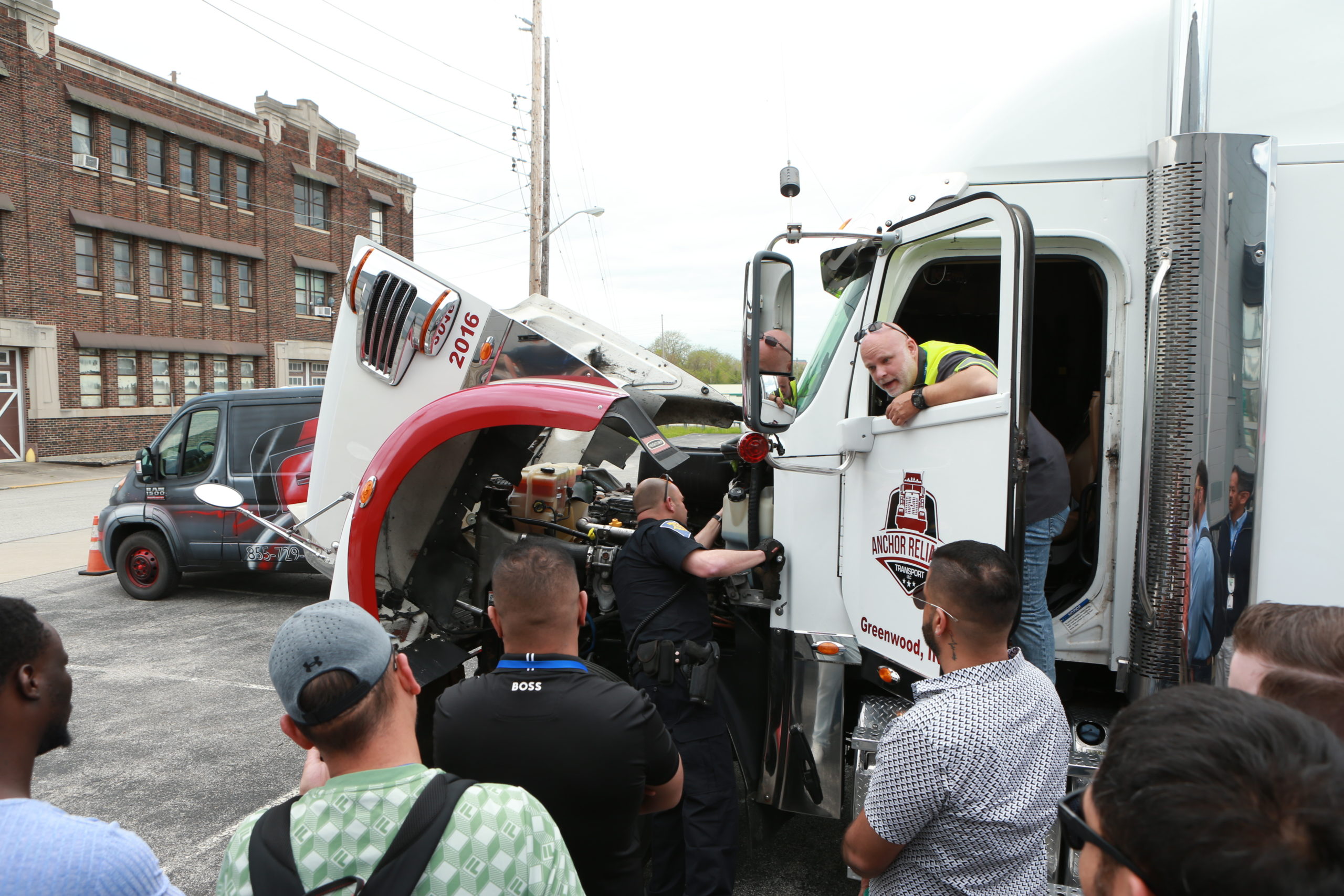
DOT Week is a 72-hour roadside inspection event coordinated by the Commercial Vehicle Safety Alliance (CVSA) in partnership with the Federal Motor Carrier Safety Administration (FMCSA), as well as enforcement agencies in Canada and Mexico.
During the event, tens of thousands of commercial vehicles are stopped for inspections. These inspections are no ordinary spot checks they’re comprehensive evaluations that include both the driver and the vehicle. For many drivers, this is the most important inspection they’ll face all year.
The 2025 DOT Week is scheduled for May 14–16, so now is the time to start getting your fleet and drivers ready.
Why DOT Week Is Important
The primary objective of DOT Week is to enhance road safety by identifying unsafe drivers and vehicles before they can cause harm. But beyond safety, the week carries weight in multiple areas:
1. Compliance & Enforcement
DOT Week is an enforcement tool violations found during inspections can result in out-of-service (OOS) orders, citations, and CSA score penalties. These can impact a fleet’s reputation and even lead to audits.
2. Industry Benchmarking
This week offers a snapshot of the industry’s safety performance. The data collected is used by regulatory bodies to set future priorities and determine where education or enforcement needs to improve.
3. Public Trust
Every violation found is a reflection not just on the carrier, but on the industry as a whole. Clean inspections help improve the public perception of trucking professionals as safe, responsible operators.
What Inspectors Look For
Inspections follow the North American Standard Level I Inspection, the most thorough of the seven levels used by CVSA. This includes a detailed review of both driver credentials and vehicle safety.
Driver Inspection Items:
- Commercial Driver’s License (CDL)
- Medical Examiner’s Certificate
- Driver’s Record of Duty Status (RODS)
- Hours-of-Service (HOS) compliance
- Drug and alcohol testing compliance
- Seat belt usage
- Driver demeanor and general fitness for duty
Vehicle Inspection Items:
- Brake systems
- Tires and wheels
- Lighting devices
- Steering and suspension
- Coupling devices
- Fuel and exhaust systems
- Windshield wipers
- Emergency equipment
Inspectors are trained to spot both obvious and hidden issues, and even minor violations can have big consequences if they’re part of a pattern of non-compliance.
What’s the Focus for 2025?
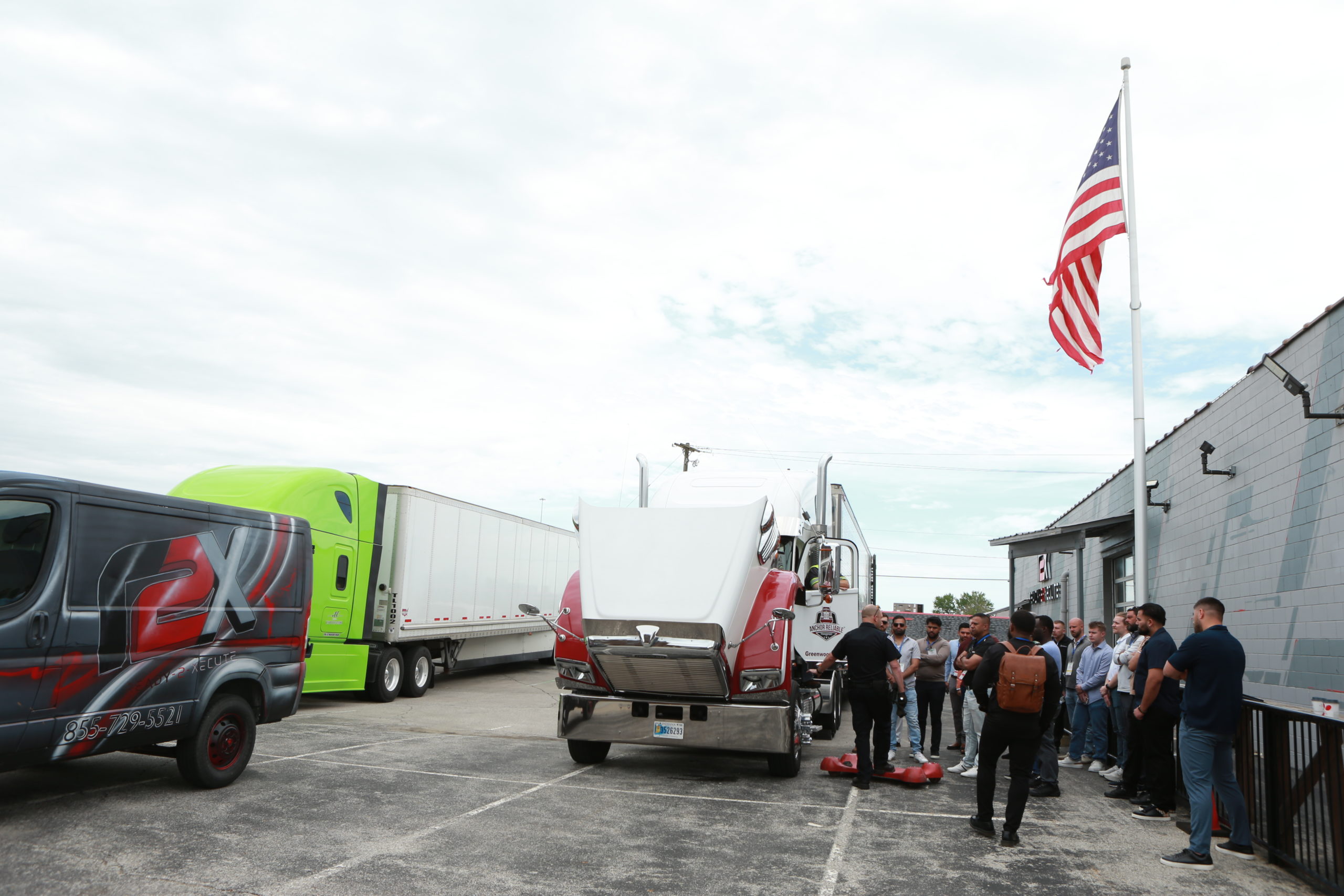
While CVSA hasn’t officially announced the specific focus area for 2025 as of early May, historical trends provide clues. Past years have targeted:
- Brake safety systems
- Suspension components
- Hours-of-service (HOS) violations
- Cargo securement
- Lighting systems
Carriers should prepare as though any system could be the target. Remember: even if a particular area is in the spotlight, Level I inspections cover everything.
How to Prepare for DOT Week
For Drivers:
- Perform Daily Pre-Trip Inspections
- Catch defects before they’re found by inspectors.
- Pay close attention to lights, tires, air lines, and brakes.
- Keep Paperwork Clean and Accessible
- Organize your CDL, medical card, RODS, and ELD documentation.
- Ensure your HOS logs are up to date and accurate.
- Be Professional
- Cooperate respectfully with inspectors.
- Dress appropriately and follow safe procedures at the inspection site.
- Rest and Stay Compliant
- Avoid risky behavior like violating HOS limits or speeding.
- Get adequate sleep to stay alert and safe.
For Fleet Managers:
- Schedule Preventative Maintenance
- Don’t wait for issues to appear — check brakes, tires, lights, and suspension now.
- Audit Logs and Driver Files
- Double-check that all documentation is complete and compliant.
- Coach Your Drivers
- Run mock inspections.
- Review ELD use, cargo securement techniques, and inspection etiquette.
- Pull Problem Trucks Off the Road
- A single truck with chronic maintenance issues can create major liability.
- A single truck with chronic maintenance issues can create major liability.
What Happens If You Fail an Inspection?
When a vehicle or driver is found to be in violation of DOT regulations, inspectors can issue an Out-of-Service Order. This means the driver or vehicle cannot operate until the issue is fixed. Consequences include:
- Fines
- Lost delivery time
- Increased CSA scores
- Customer dissatisfaction
- Possible follow-up audits
Avoiding these issues through early preparation is far less costly than dealing with them after the fact.
Turning DOT Week into an Advantage
Instead of just “surviving” DOT Week, many top-performing carriers see it as an opportunity. Here’s how:
- Use the event to reinforce a culture of safety.
- Celebrate clean inspections with recognition or bonuses for drivers.
- Show customers and partners your commitment to excellence through strong compliance results.
- Benchmark your fleet’s performance against national trends once CVSA releases inspection data.
Remember, DOT Week isn’t just about avoiding fines, it’s about protecting your team, your equipment, and the people who share the road with you.
DOT Week may only last 72 hours, but its impact can be felt all year. With proper planning, proactive maintenance, and a strong safety culture, it doesn’t have to be a source of stress; it can be a powerful differentiator for your business.
Take the time now to prepare, educate your team, and prioritize compliance. A clean inspection record isn’t just a badge of honor it’s a smart business move.